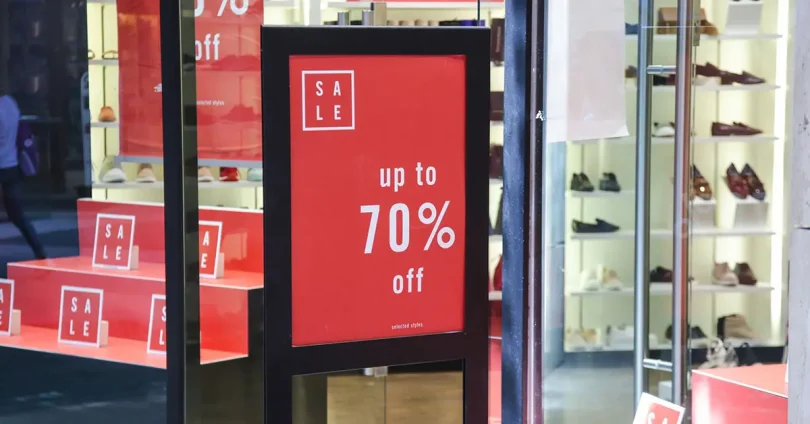

If you’re running a shop, boutique, supermarket, or any kind of retail space, retail indoor signage is one of the most effective tools for improving the way customers navigate, shop, and interact with your products. Think of signage as your silent salesperson. It communicates, guides, and educates customers without requiring verbal explanations from your staff.
When used correctly, retail indoor signage transforms your store into a more organized, visually appealing, and sales-driven environment. Let’s dive into everything you need to know in a clear and user-friendly way.
What Is Retail Indoor Signage?
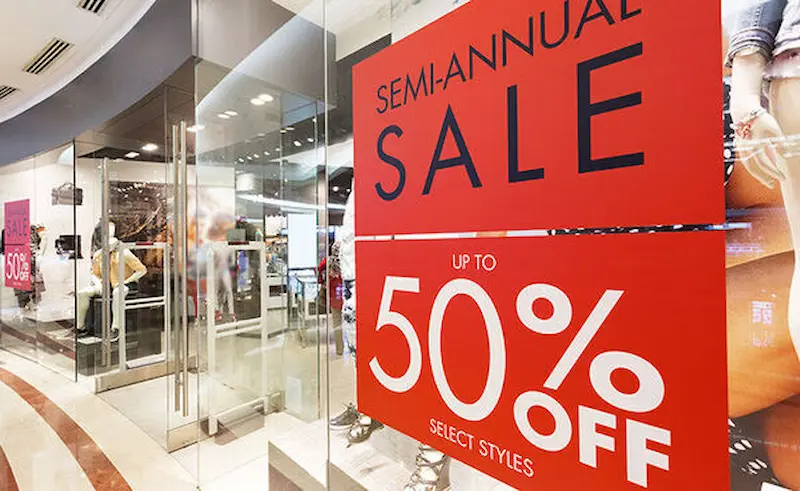
Retail indoor signage refers to all the signs placed inside a retail store. These include directional signs, product labels, promotional displays, aisle markers, branding boards, digital screens, and safety signs. Their main purpose is to guide customers, provide information, and highlight important product details.
In simple terms, retail indoor signage allows your store to communicate directly with customers without relying on staff intervention. It enhances the customer experience, reduces confusion, and helps shoppers make quicker, more confident decisions.
Why Retail Indoor Signage Matters
Retail indoor signage impacts nearly every aspect of the shopping experience. When customers enter your store, they should instantly understand how the space is organized, where specific sections are located, and what offers or products deserve their attention.
Here are the key reasons why effective signage matters:
Improves Customer Navigation
Customers prefer stores that are easy to explore. Clear directional and aisle signage helps shoppers find products without frustration. This also reduces the workload on staff who would otherwise spend time answering location-related questions.
Boosts Your Branding
Indoor signage reinforces the personality of your brand. The colors, fonts, materials, and language style you choose for signage reflect your overall identity. Strong and consistent branding creates a memorable shopping experience and influences how customers perceive your business.
Increases Sales and Conversions
Strategically placed promotional signs, price displays, and product highlights capture customer attention. They can influence buying decisions by showcasing discounts, new arrivals, and bestsellers. This results in increased impulse purchases and higher sales.
Creates a Professional and Organized Look
A store with clear, well-designed signage appears more trustworthy and well-managed. It signals professionalism and helps establish credibility with new and returning customers.
Types of Retail Indoor Signage
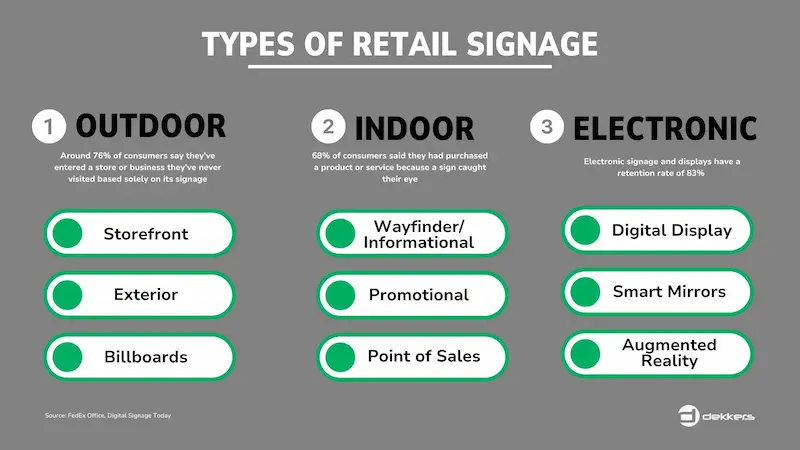
Different types of retail indoor signage serve different purposes. Here are the most commonly used categories:
1. Directional Signage
These signs guide customers through the store and point them toward specific areas such as fitting rooms, checkout counters, restrooms, or particular departments. They help maintain smooth customer flow and prevent confusion.
2. Category and Aisle Signs
Category signs label broad sections like Bakery, Electronics, Cosmetics, or Household Items. These larger signs are typically displayed at the top of aisles or walls, ensuring customers can identify sections from a distance.
3. Promotional Signs
These signs highlight discounts, sales, limited-time offers, seasonal deals, or special promotions. They encourage customers to take advantage of deals and often lead to increased impulse purchases.
4. Digital Displays
Digital screens are commonly used in modern retail stores. They display rotating content such as ads, featured products, brand stories, customer reviews, or upcoming promotions. Digital signage adds a dynamic and visually engaging touch to retail environments.
5. Point-of-Purchase (POP) Signs
POP signs are usually placed near product shelves. They highlight specific products with phrases like New Arrival, Popular Choice, Staff Pick, or Buy One Get One. These signs influence immediate purchase decisions.
6. Branding Signs
Branding signage includes your store logo, mission statements, brand colors, image boards, and decorative elements that reflect your identity. These signs help create a cohesive shopping atmosphere.
7. Safety and Compliance Signs
Stores are required to display certain signs for safety and legal compliance. These include emergency exit markers, fire safety signs, wet floor warnings, and hazard notices. They help ensure customer safety.
You may also like to read this:
Truck Wrap Services: Mobile Advertising For Your Business
Stylish Custom Indoor Signs Designed To Elevate Any Interior
Office Indoor Signage Guide: Create A Professional Workspace
Eye-Catching Advertising Vehicle Wraps For Your Business
Wall Signs For Business Guide To Boost Your Branding
High-Quality Acrylic Indoor Signs | Modern Signage Solutions
How to Use Retail Indoor Signage Effectively
Here are some practical ways to make sure your signage delivers maximum impact:
1. Maintain a Consistent Design
Use consistent colors, fonts, and visual themes across all your signs. Consistency strengthens brand identity and makes your store appear more polished and professional.
2. Make Text Clear and Legible
Readability is essential. Avoid decorative fonts that are hard to read. Choose high-contrast colors so the text stands out clearly from the background.
3. Invest in High-Quality Materials
Signs made from premium materials not only look better but also last longer. Poor-quality signs fade quickly and make your store appear neglected.
4. Place Signs Strategically
Think from the customer’s perspective. Place signs at eye level, in well-lit areas, and along natural traffic paths. Ensure key promotional signs are positioned where customers will notice them easily.
5. Update Signs Regularly
Expired promotions, outdated information, or worn-out signs create confusion. Regular updates keep your store fresh, accurate, and trustworthy.
Best Materials for Retail Indoor Signage
The right material depends on your store’s design, budget, and branding needs. Common options include:
- Acrylic: Provides a sleek, modern appearance suitable for branding signs.
- Foam Board: Lightweight and cost-effective for promotional or temporary signage.
- Vinyl Decals: Ideal for walls, mirrors, or windows. Easy to apply and replace.
- LED or LCD Screens: Best for dynamic digital signage and rotating content.
- Metal Signs: Durable and premium, giving a long-lasting, refined look.
Benefits of Investing in Quality Retail Indoor Signage
When you invest in well-designed indoor signage, you can expect several benefits:
- Higher conversion rates due to better-promoted products
- Smoother customer movement throughout the store
- Stronger and more memorable brand identity
- Less confusion and fewer customer questions
- Increased trust and professionalism
- A visually appealing and cohesive store environment
Good signage is one of the simplest ways to improve customer experience while simultaneously boosting your store’s sales performance.
Tips for Designing Engaging Retail Indoor Signage
- Use brand-appropriate colors that complement your store’s theme.
- Highlight key messages with bold headings or strategically placed text.
- Keep messages short and easy to understand.
- Use icons or directional arrows to improve clarity.
- Incorporate lifestyle or product images when appropriate.
- Test visibility by standing at different distances to ensure the sign is easy to read.
Common Mistakes to Avoid
Even well-intentioned signage can fail if not executed properly. Avoid the following mistakes:
- Overcrowding signs with too much text
- Using inconsistent colors or mismatched design elements
- Placing signs too low, too high, or in hidden corners
- Using low-quality printing that fades quickly
- Failing to align signs with your brand theme
- Ignoring lighting, which affects how visible your signs are
Conclusion
Retail indoor signage plays a crucial role in shaping how customers interact with your store. It helps them find what they need, discover new products, understand promotions, and enjoy a more organized and pleasant shopping experience.
By using retail indoor signage thoughtfully and consistently, you can significantly improve customer satisfaction, increase sales, and create a branded environment that leaves a lasting impression.
FAQs About Retail Indoor Signage
1. What does retail indoor signage include?
Retail indoor signage includes any sign inside a store that helps guide customers or provide information. This includes aisle signs, product labels, promotional boards, branding signs, digital screens, and safety notices.
2. How does retail indoor signage improve customer experience?
Clear signage helps customers find products quickly, understand promotions, and navigate the store easily. This reduces confusion and makes shopping more enjoyable and efficient.
3. What type of retail indoor signage is most important?
All types play a role, but the most essential are category signs, directional signs, promotional displays, and point-of-purchase (POP) signs. These directly influence navigation and buying decisions.
4. How can retail indoor signage increase sales?
Signage draws attention to offers, new arrivals, and bestselling items. When customers see helpful and attractive signs, they are more likely to make impulse purchases or buy promoted products.
5. What material should I choose for indoor store signs?
It depends on your store’s style and budget. Acrylic signs offer a premium look, foam boards are great for temporary promotions, vinyl decals work well for walls and windows, and digital screens are ideal for dynamic content.