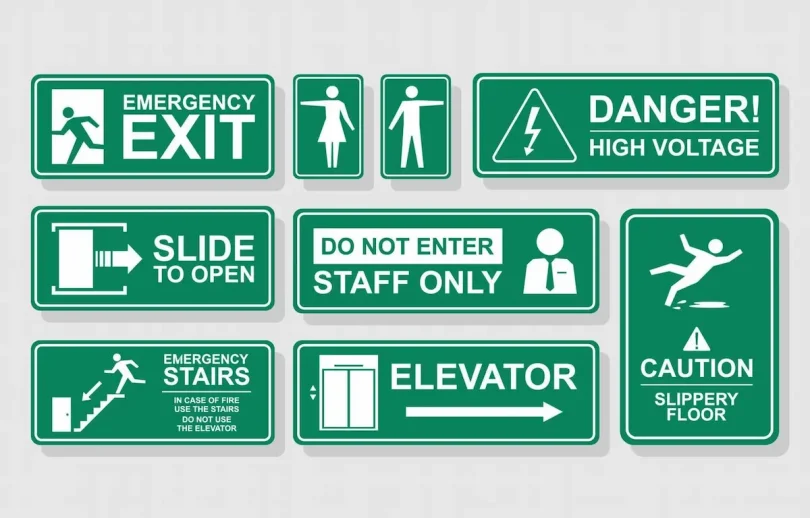

When you walk into any office, store, school campus, hospital, or public building, the first elements that guide you are the informational indoor signs placed throughout the space. These signs work silently in the background, helping people move confidently, understand where they are, and find exactly what they need without confusion. If you are planning to upgrade your environment—whether it’s a workplace, a commercial building, or a public facility—adding well-designed informational indoor signs can make your space more organized, professional, and easy to navigate.
This guide walks you through everything you should know about informational indoor signs in a clear, friendly, and helpful way.
What Are Informational Indoor Signs?
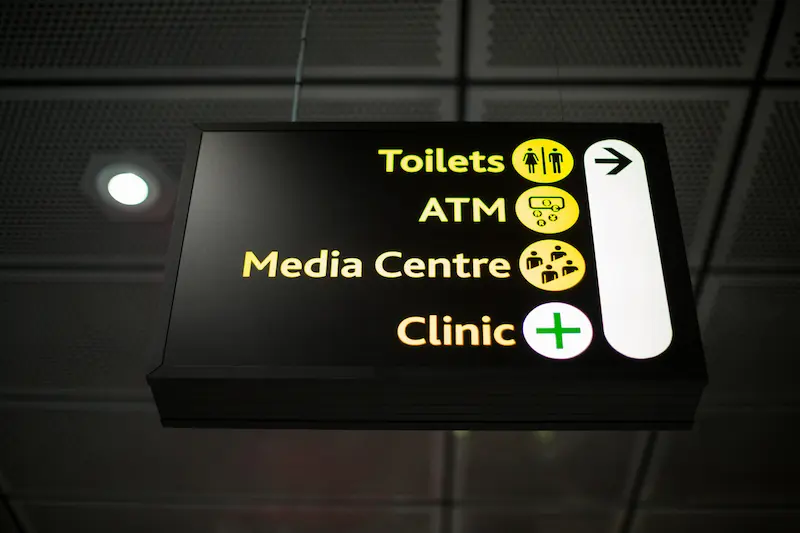
Informational indoor signs are strategically placed signage elements inside a building that communicate essential details, directions, or instructions. They serve as visual cues to help visitors, employees, customers, patients, and guests understand the flow of your environment.
Common examples include:
- Directional arrows
- Room name signs
- Safety and compliance signs
- Maps and building directories
- Facility rules and guidelines
- Office labels
- Restroom identifiers
- Department markers
- Elevator and staircase signs
You can think of these signs as silent assistants that tell people where to go, what to look for, and how to behave within your premises.
Why Are Informational Indoor Signs Important?
Many people underestimate the impact of good signage until they enter a building with poor, unclear, or missing signs. The purpose of informational indoor signs goes far beyond decoration—they play a direct role in communication, safety, and customer satisfaction.
Here are the reasons they matter so much:
1. They Improve Navigation
Informational indoor signs guide visitors naturally and intuitively. Instead of asking for directions multiple times, people can move confidently from one area to another.
2. They Reduce Confusion
Clear signs eliminate unnecessary questions and prevent frustration. When visitors can easily find restrooms, meeting rooms, and departments, their overall experience becomes smoother and less stressful.
3. They Improve Safety
Safety is one of the most important roles of indoor signage. Signs such as emergency exits, caution warnings, fire extinguisher locations, and hazard notices help protect everyone in the building.
4. They Create a Professional Image
A building with clearly labeled rooms, consistent branding, and clean sign designs appears more trustworthy and well-managed. Good signage shows that you care about your visitors’ experience.
5. They Enhance Customer Satisfaction
Whether in a retail store, clinic, or educational institution, visitors appreciate clarity. Smooth navigation improves comfort and makes every interaction more pleasant.
Types of Informational Indoor Signs

Informational indoor signs come in many forms. The type you choose depends on your building layout, visitor flow, and communication needs.
1. Directional Signs
Directional signs point people toward specific locations. These are essential for malls, hospitals, corporate offices, hotels, and large facilities.
2. Room Identification Signs
These signs label specific rooms such as:
- Conference rooms
- Storage areas
- Restrooms
- Break rooms
- Manager or staff offices
- Reception or waiting areas
Room identification signs help visitors instantly know that they have reached the right place.
3. Safety and Compliance Signs
These include:
- Fire exit signs
- Emergency instructions
- Hazard warnings
- Restricted-access notices
They are critical for employee safety and compliance with building regulations.
4. Restroom Signs
Clear restroom signage ensures that guests find what they need quickly. These signs should be universally understandable.
5. Floor and Level Signs
In multi-story buildings, floor numbers and level indicators help people know exactly where they are and how to get to their destination.
6. Informational Panels
These signs usually display rules, guidelines, or instructions. Examples include:
- No food or drinks
- Please switch off your phone
- Wear safety gear
- Keep the door closed
7. Directory Boards
A directory board is typically placed near the entrance or main lobby. It provides a complete overview of the departments, rooms, or services available in the building.
You may also like to read this:
Office Indoor Signage Guide: Create A Professional Workspace
Eye-Catching Advertising Vehicle Wraps For Your Business
Wall Signs For Business Guide To Boost Your Branding
High-Quality Acrylic Indoor Signs | Modern Signage Solutions
Retail Indoor Signage Guide For Better Store Experience
Where Are Informational Indoor Signs Needed?
Informational indoor signs are essential in almost every type of building, including:
- Corporate offices
- Educational institutions
- Retail shops and malls
- Restaurants and cafés
- Hospitals, clinics, and medical centers
- Gyms and fitness clubs
- Hotels and hospitality spaces
- Warehouses and industrial facilities
- Government buildings
- Public spaces and transportation hubs
Any environment where visitors need guidance or knowledge benefits from clear signage.
Tips for Designing Effective Informational Indoor Signs
A sign is only effective when it is easy to read, well-placed, and visually clear. Here are important guidelines to follow:
1. Keep Text Simple and Clear
Use short, direct wording to avoid confusion. Overly long sentences make signs harder to understand.
2. Use Readable Fonts
Fonts should be clean, professional, and easy to read from a distance. Avoid decorative fonts that reduce clarity.
3. Choose the Appropriate Size
The larger the space, the bigger the sign should be. Signs meant to be seen from afar require larger lettering.
4. Use High-Contrast Colors
Contrast improves visibility. Combinations such as black on white or white on blue are common for their readability.
5. Incorporate Universal Icons
Symbols are instantly recognized, even by people who do not speak the local language.
6. Position Signs at Eye Level
Signs placed too high or too low may be missed. Eye-level placement ensures maximum visibility.
7. Maintain Consistent Style and Branding
Consistency in colors, fonts, and layouts strengthens the overall professional look of your space.
Benefits of Adding Informational Indoor Signs to Your Space
When informational indoor signs are used properly, they create a more efficient and visitor-friendly environment.
Better Organization
Clear signage helps staff and visitors understand the layout, making daily operations smoother.
Improved Accessibility
People with visual or physical disabilities rely heavily on good signage, especially signs with braille, tactile letters, or large fonts.
Smoother Visitor Experience
A well-designed sign system reduces delays, questions, and confusion.
Stronger Branding
Customized signs can include your brand colors, logo, or style, creating a unified look throughout your building.
Final Thoughts
Incorporating informational indoor signs into your building is one of the simplest yet most powerful ways to improve navigation and communication for everyone who enters your space. These signs help visitors move confidently, support safety, and create a more structured and professional environment.
Whether you manage an office, a retail location, a school, or a public facility, investing in informational indoor signs can make a significant difference in how people experience your space.
FAQs
1. What are informational indoor signs?
Informational indoor signs are signs placed inside a building to guide, inform, or direct visitors. They include directional signs, room labels, restroom signs, safety signs, and directory boards. Their purpose is to help people navigate a space easily and understand important instructions.
2. Why are informational indoor signs important?
They are essential because they improve navigation, reduce confusion, enhance safety, and create a more organized and professional environment. Visitors feel more comfortable when they can find what they need without asking for help.
3. Where should informational indoor signs be placed?
Signs should be placed in high-traffic areas, entrances, hallways, near elevators, outside rooms, and anywhere visitors may need guidance. Good placement helps people quickly understand where they are and where to go next.
4. What materials are used for indoor signs?
Common materials include acrylic, PVC, aluminum, vinyl, wood, foam board, and laminated prints. The choice depends on your budget, branding style, and how durable the sign needs to be.
5. How large should informational indoor signs be?
The size depends on where the sign will be installed and how far away people need to read it from. Larger spaces require bigger signs so they can be seen clearly, while smaller rooms may need only compact labels.